
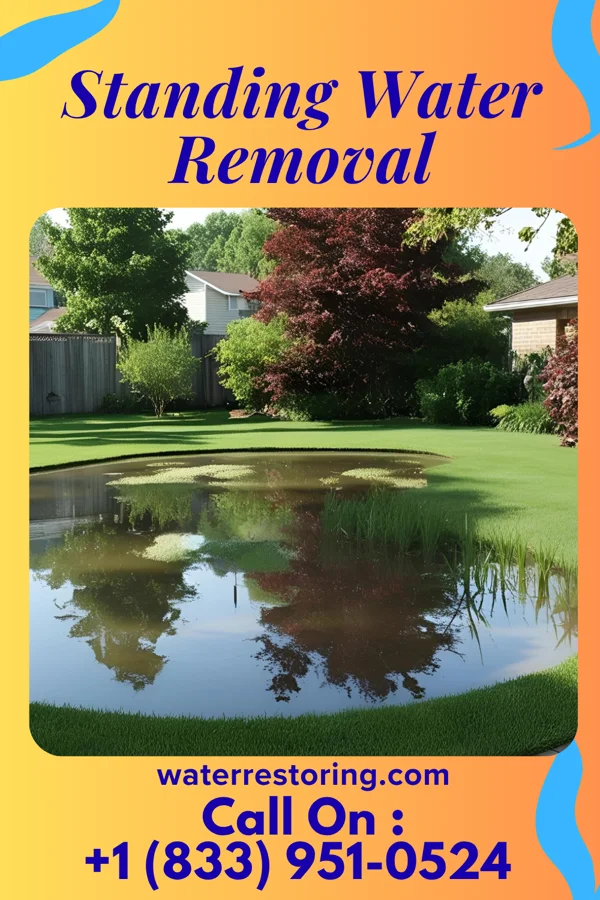
Common Standing Water Causes in Loganville
Most standing water removal calls in Loganville come from In Loganville, Georgia, water damage often stems from plumbing failures, such as burst pipes and leaking water heaters, which are common in suburban homes. Additionally, heavy rainfall during the spring and summer months can lead to basement flooding, especially in areas near creeks and low-lying neighborhoods.. A close second is Secondary causes include appliance leaks, such as dishwashers and washing machines, as well as roof leaks due to aging shingles. Stormwater runoff from nearby areas like Grayson and Snellville can also contribute to water intrusion in lower-lying parts of Loganville.. If you know what is about to happen, the decisions during the first 48 hours get a lot easier.
Loganville experiences a humid subtropical climate with frequent thunderstorms and heavy rainfall, increasing the risk of water damage. The area is also prone to flash flooding during severe weather events, which can affect both residential and commercial properties.
Most standing water removal calls in Loganville come from In Loganville, Georgia, water damage often stems from plumbing failures, such as burst pipes and leaking water heaters, which are common in suburban homes. Additionally, heavy rainfall during the spring and summer months can lead to basement flooding, especially in areas near creeks and low-lying neighborhoods.. Running a close second is Secondary causes include appliance leaks, such as dishwashers and washing machines, as well as roof leaks due to aging shingles. Stormwater runoff from nearby areas like Grayson and Snellville can also contribute to water intrusion in lower-lying parts of Loganville.. Local mold risk: Mold can develop within 48 hours in Loganville's humid climate, making rapid response critical. Mold growth in homes and businesses can lead to health issues and structural damage, especially in areas with poor ventilation.
For public guidance on the health effects of mold after prolonged water exposure, see the EPA mold and health page.